FLOOD RECOVERY

CURRENT STATUS

SAFETY

CLEAN-UP

RESOURCES

STAY SAFE

  • Stay away during flooding. Do not reenter your home until waters have receded. If your home experienced significant flooding, request a building inspector visit to assess structural safety.
  • Take precautions before reentering your home. Wear rubber boots when entering standing water and cover your mouth and nose to protect against fumes. See FEMA tips for Returning Home After A Flood (PDF).
  • Switch off gas and utilities. Use the main breaker to shut off power to your home and call/text 907-723-0449 to request a water meter shut-off.
  • Look for signs of oil, fuel or hazardous material spills (PDF). Check household areas and fuel tanks for damage, odors, or oily sheens. Report spills online or call 1-800-578-9300.
  • Practice safe cleaning. Wear safety goggles and face coverings to protect against mold exposure. See the CDC’s What to wear before entering a home or building with mold damage (PDF).

CLEAN UP

DEBRIS DISPOSAL

Neighborhood collection for 2025 GLOF flood debris has concluded at this time.

SANDBAGS

CBJ and Tlingit & Haida are not accepting sandbags for disposal. Residents are strongly advised to keep sandbags for reuse and protection against future outbursts.

PERMITTING

Please be aware that if you’re planning any work within Special Flood Hazard Areas, floodplain development permits are necessary to remain in compliance with the requirements of the National Flood Insurance Program (NFIP). This includes many properties along the Mendenhall River. This process helps protect your property and maintains our community‘s eligibility for flood insurance coverage through the NFIP.

Before starting any work, contact the Juneau Community Development Department (CDD). We’ll help verify you and your contractor are on the right track and avoid costly delays or non-compliance. Your cooperation supports a safer, more resilient Juneau.

Find out more from CDD:

Floodplain Management & Permits

CLEAN-UP SAFETY

Be sure to protect yourself as you clear out debris and repair damage to your home or property. FEMA’s informational booklet Repairing Your Flooded Home (PDF) offers safety tips and step-by-step advice as you clean up and rebuild.

PPE

Be sure to wear personal protective equipment. This may include waterproof boots, safety googles, long sleeves, long pants, and an N95 respirator mask or face covering.

Mold

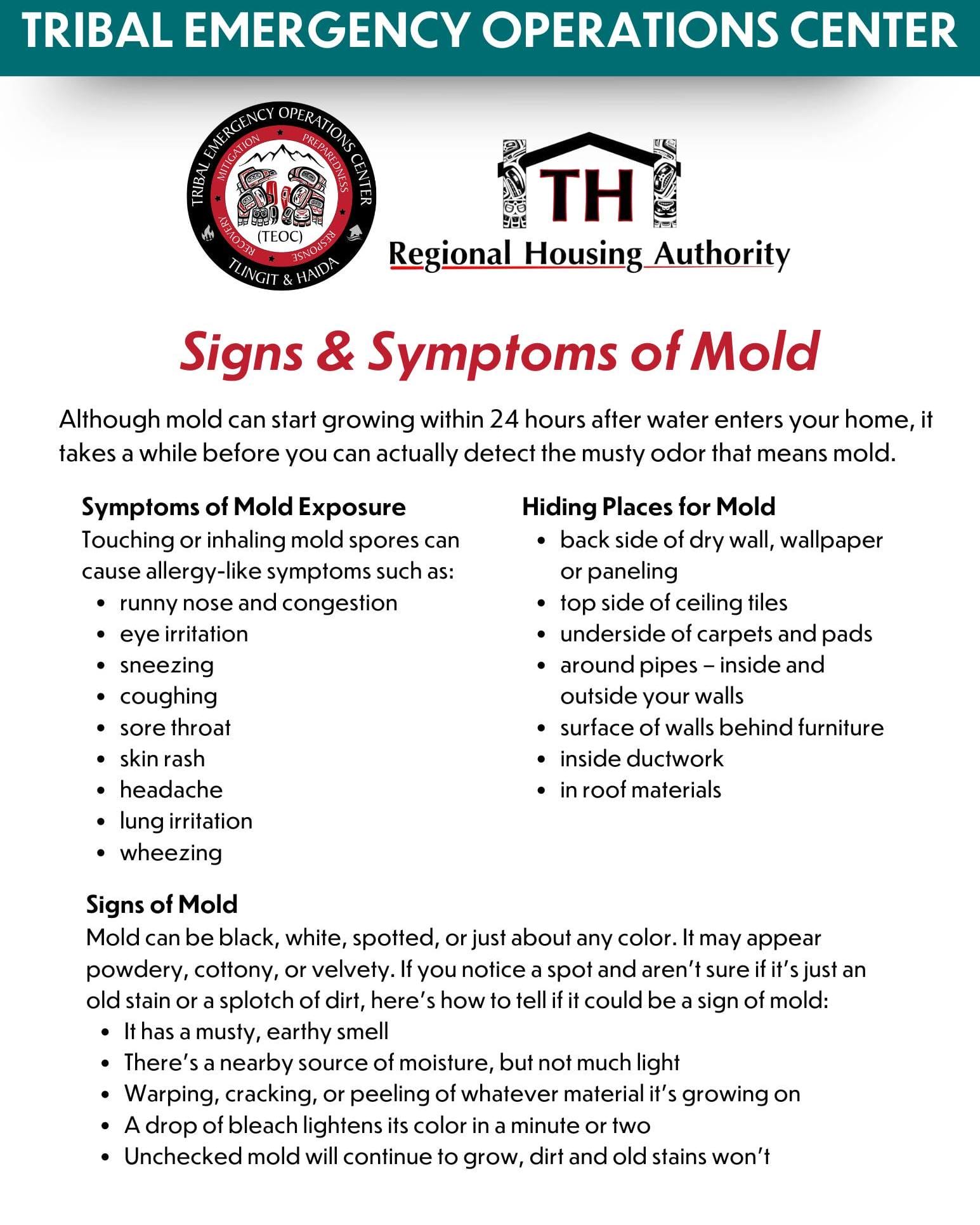
Although mold can start growing within 24 hours after water enters your home, it often takes some time before it’s easily detectable. At the same time, mold exposure can lead to breathing problems or allergic reactions.

Be on the alert for signs of mold or symptoms of exposure, and be sure to protect yourself while you’re cleaning. Here are a few helpful resources:

Indoor Air Quality

Flood water can make the air in your home unhealthy, and other substances could get into the air as you clean up. See the EPA handout Flood clean-up: Protecting indoor air quality (PDF) to stay safe in your home.

REPORT DAMAGE

 
Field crews conducted door-to-door damage assessments on August 14. If you weren’t at home, you can self-report flood damage to your home or property below:

REPORT DAMAGE

REPORT SPILLS

Residents who have loose or spilling fuel tanks and/or other hazardous spill situations should immediately contact the Alaska Department of Environmental Conservation Spill Prevention and Response hotline at 1-800-478-9300, or report the spill online at ReportSpills.alaska.gov.

Not sure how to check for damage? See ADEC’s guide to Preventing Spills During Flooding Events (PDF) for info about signs of hazardous spills and/or damage to fuel tanks.

REPORT A SPILL

TO-DO CHECKLIST

Take a moment to go through the recovery checklist below (PDF) and remind yourself of important steps to take about insurance, mortgage, utilities, and more—steps that will help you get a head start on your long-term recovery and support any applications you make for financial assistance.

RECOVERY CHECKLIST

SAVE RECEIPTS & DOCUMENT DAMAGE

Be sure to take photos, document damages, and keep receipts and invoices as you clean out your home and begin the hard work of rebuilding. These documents will help you make flood insurance claims and apply for disaster assistance from the State of Alaska.

FIND RESOURCES

APPLY FOR FINANCIAL ASSISTANCE
Apply for State of Alaska Individual Assistance and Temporary Housing Assistance at ready.alaska.gov/Recovery/IA


CALL THE RED CROSS
1-800-RED CROSS


FIND LOCAL RESOURCES
Local volunteers and offers of help are coordinated through United Way. Visit unitedwayseak.org/2025-flood-relief or call 907-713-4493 to find out more about volunteer efforts, donations, and other resources available to you.

Visit facebook.com/UnitedWaySEAK for the latest information on hours and operations at the Melvin Park volunteer center.

OFFER HELP

AMERICAN RED CROSS ALASKA

ALASKA DEC – SPILL PREVENTION AND RESPONSE

TLINGIT & HAIDA EMERGENCY SERVICES

STATE OF ALASKA DHS & EM

FEMA RECOVERY TOOLS